

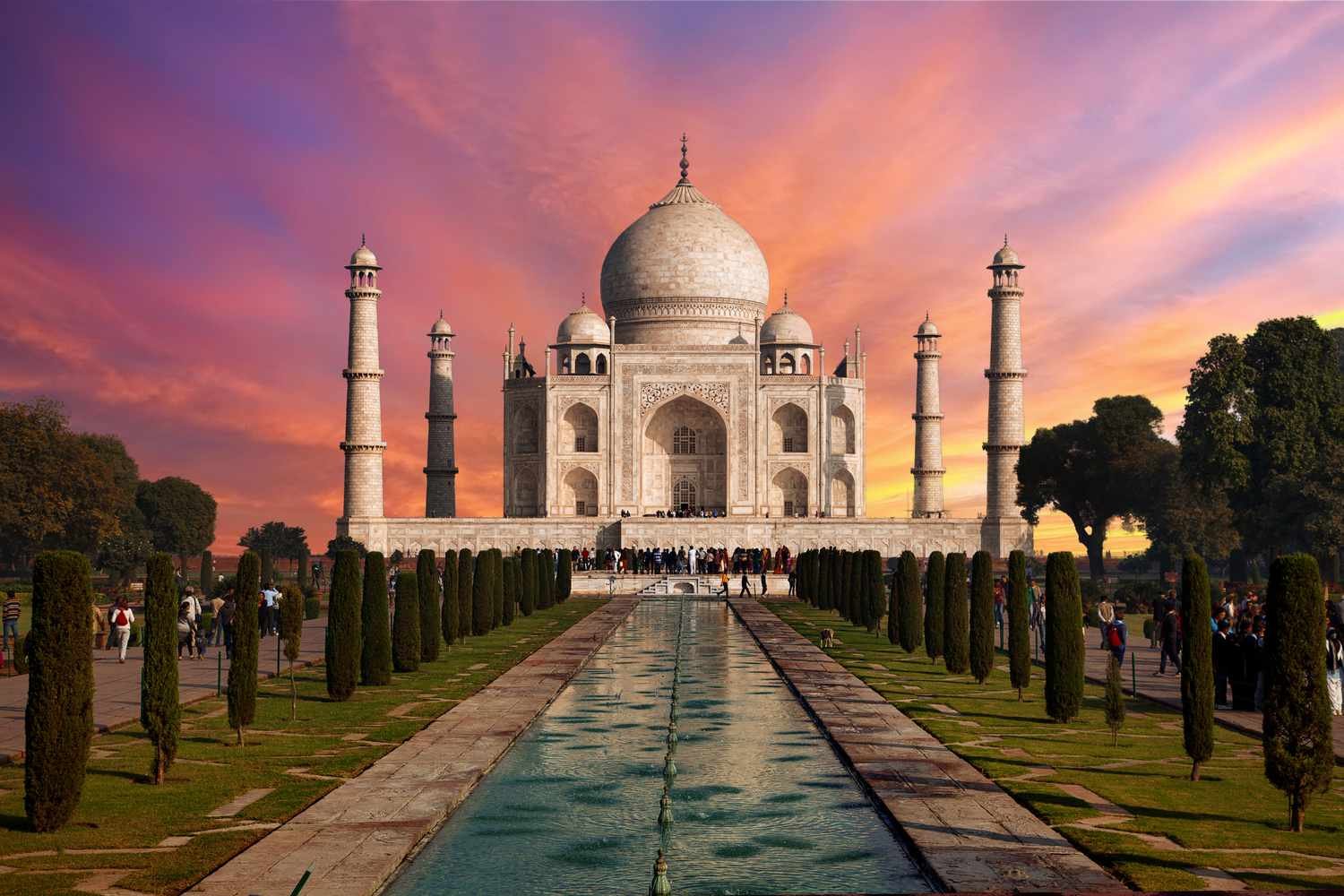
Discover the top 5 must-visit destinations in India with our comprehensive travel guide. From the Taj Mahal to Kerala’s backwaters, explore India’s most breathtaking places with expert tips and insider recommendations.
Introduction: Exploring the Incredible Diversity of India
India is a land of extraordinary contrasts, where ancient traditions seamlessly blend with modern innovation, where snow-capped Himalayan peaks give way to tropical beaches, and where bustling metropolitan cities exist alongside serene spiritual retreats. With a history spanning over 5,000 years, diverse landscapes that range from deserts to rainforests, and a cultural tapestry woven from countless traditions, languages, and cuisines, India offers travelers an experience unlike any other destination on Earth.
Choosing where to visit in this vast and varied country can be overwhelming. With 28 states and 8 union territories, each offering unique attractions, deciding on an itinerary requires careful consideration. Whether you’re drawn to architectural marvels, spiritual experiences, natural beauty, adventure activities, or culinary exploration, India has something extraordinary to offer every type of traveler.
In this comprehensive guide, we’ll explore the top 5 places to visit in India—destinations that capture the essence of this incredible country and provide unforgettable experiences. From the iconic monuments of Agra to the tranquil backwaters of Kerala, from the royal palaces of Rajasthan to the spiritual heart of Varanasi and the majestic mountains of Ladakh, these destinations represent the very best of what India has to offer.
Whether you’re planning your first trip to India or returning to explore more of this fascinating country, this guide will provide you with everything you need to know about these must-visit destinations, including the best time to visit, top attractions, cultural experiences, practical travel tips, and insider recommendations that will help you make the most of your Indian adventure.
1. Agra, Uttar Pradesh: Home of the Taj Mahal
Why Visit Agra
Agra is home to one of the world’s most recognizable and romantic monuments—the Taj Mahal. This UNESCO World Heritage Site draws millions of visitors annually who come to witness the breathtaking beauty of this marble masterpiece. But Agra offers much more than just the Taj Mahal. The city was once the capital of the Mughal Empire and is filled with magnificent forts, palaces, and gardens that showcase the grandeur of Mughal architecture and the rich history of India’s most powerful dynasty.
Top Attractions in Agra
The Taj Mahal
Built by Emperor Shah Jahan as a mausoleum for his beloved wife Mumtaz Mahal, the Taj Mahal is widely considered the finest example of Mughal architecture and a symbol of eternal love. This ivory-white marble monument took 22 years to complete (1632-1654) and required the labor of 20,000 artisans. The intricate inlay work featuring semi-precious stones, the perfect symmetry of the structure, and the way the marble appears to change color throughout the day make the Taj Mahal an architectural marvel that exceeds all expectations.
Best Time to Visit: Sunrise offers the most magical experience with fewer crowds and beautiful golden light. The monument is closed on Fridays.
Agra Fort
Another UNESCO World Heritage Site, Agra Fort is a massive red sandstone fortress that served as the main residence of Mughal emperors until 1638. The fort complex contains numerous palaces, mosques, and halls, including the stunning Sheesh Mahal (Mirror Palace) and the Musamman Burj, where Shah Jahan was imprisoned by his son and spent his final years gazing at the Taj Mahal in the distance.
Fatehpur Sikri
Located 40 kilometers from Agra, Fatehpur Sikri is a perfectly preserved Mughal city built by Emperor Akbar in 1571. This ghost city, abandoned after just 14 years due to water scarcity, features stunning red sandstone buildings including the Buland Darwaza (one of the largest gateways in the world), the Panch Mahal, and the exquisite Tomb of Salim Chishti.
Mehtab Bagh
For a different perspective of the Taj Mahal, visit Mehtab Bagh (Moonlight Garden) on the opposite bank of the Yamuna River. This charbagh (Mughal garden) offers stunning sunset views of the Taj Mahal and is perfect for photography without the crowds.
Cultural Experiences in Agra
Mughlai Cuisine: Agra is famous for its Mughlai food, particularly petha (a sweet made from ash gourd), bedai and jalebi for breakfast, and rich meat dishes like biryani and kebabs.
Marble Inlay Craftsmanship: Watch artisans continue the centuries-old tradition of pietra dura (marble inlay work) that adorns the Taj Mahal. Many workshops welcome visitors and offer beautiful handcrafted items.
Local Markets: Explore Sadar Bazaar and Kinari Bazaar for leather goods, marble souvenirs, textiles, and traditional handicrafts.
Best Time to Visit Agra
October to March is the ideal time to visit Agra when the weather is pleasant and comfortable for sightseeing. Summers (April to June) can be extremely hot with temperatures exceeding 45°C (113°F), while the monsoon season (July to September) brings humidity and occasional heavy rains.
Travel Tips for Agra
- Book Taj Mahal tickets online in advance to avoid long queues
- Hire a knowledgeable guide to fully appreciate the history and architecture
- Agra is easily accessible from Delhi (3-4 hours by train or car)
- Plan for at least 2 days to see all major attractions without rushing
- Dress modestly when visiting religious and historical sites
- Be prepared for persistent vendors and touts; polite but firm refusal works best
2. Jaipur, Rajasthan: The Pink City
Why Visit Jaipur
Jaipur, the capital of Rajasthan, is known as the Pink City due to the distinctive terracotta-pink color of its old city buildings. Founded in 1727 by Maharaja Sawai Jai Singh II, Jaipur is part of India’s famous Golden Triangle tourist circuit (along with Delhi and Agra) and offers visitors a perfect blend of royal heritage, magnificent architecture, vibrant culture, and colorful bazaars. The city’s palaces, forts, and havelis (traditional mansions) showcase the opulence of Rajasthan’s royal past, while its bustling markets, traditional crafts, and delicious cuisine provide an authentic taste of Rajasthani culture.
Top Attractions in Jaipur
Amber Fort (Amer Fort)
Perched on a hilltop overlooking Maota Lake, Amber Fort is a stunning example of Rajput architecture blending Hindu and Mughal styles. Built in the 16th century with red sandstone and marble, the fort features magnificent courtyards, palaces, and halls. The Sheesh Mahal (Mirror Palace) is particularly breathtaking, with walls and ceilings covered in intricate mirror work that sparkles when illuminated. Visitors can ride elephants up to the fort entrance or take a jeep for a more comfortable ascent.
City Palace
Located in the heart of Jaipur, the City Palace is a magnificent complex that still serves as the residence of the royal family. The palace showcases a blend of Rajasthani and Mughal architecture and houses museums displaying royal costumes, weapons, manuscripts, and artifacts. The Chandra Mahal and Mubarak Mahal are particularly impressive, and the palace courtyards feature beautiful peacock gates representing the seasons.
Hawa Mahal (Palace of Winds)
This iconic five-story pink sandstone structure is Jaipur’s most photographed landmark. Built in 1799, the Hawa Mahal features 953 small windows (jharokhas) designed to allow royal women to observe street festivals and daily life without being seen. The honeycomb-like facade is especially beautiful in the morning light.
Jantar Mantar
This UNESCO World Heritage Site is an astronomical observatory built by Maharaja Sawai Jai Singh II in 1734. The complex features 19 architectural astronomical instruments, including the world’s largest stone sundial. The precision and scientific knowledge demonstrated by these 18th-century instruments are truly remarkable.
Nahargarh Fort
Offering panoramic views of Jaipur, Nahargarh Fort sits on the edge of the Aravalli Hills. Built in 1734 as a defense fortification, it’s now a popular spot for sunset views and houses a restaurant where you can enjoy traditional Rajasthani cuisine with a spectacular backdrop.
Cultural Experiences in Jaipur
Traditional Rajasthani Cuisine: Savor dal baati churma (lentils with baked wheat balls and sweet crumble), laal maas (spicy red meat curry), ghewar (sweet disc-shaped dessert), and pyaaz kachori (onion-filled fried pastry).
Shopping in Colorful Bazaars: Explore Johari Bazaar for jewelry, Bapu Bazaar for textiles and handicrafts, and Tripolia Bazaar for lac bangles and brassware. Jaipur is famous for block-printed textiles, blue pottery, precious and semi-precious stones, and traditional mojari (embroidered shoes).
Cultural Performances: Experience traditional Rajasthani folk music and dance performances, including the mesmerizing Kalbelia dance and puppet shows at venues like Chokhi Dhani, an ethnic village resort.
Block Printing Workshops: Visit Sanganer or Bagru villages near Jaipur to watch artisans create beautiful block-printed fabrics using traditional techniques passed down through generations.
Best Time to Visit Jaipur
November to February is the best time to visit Jaipur when the weather is cool and pleasant, perfect for exploring forts and palaces. The Jaipur Literature Festival in January attracts literary enthusiasts from around the world. Summers (April to June) are extremely hot with temperatures often exceeding 40°C (104°F), making outdoor sightseeing uncomfortable.
Travel Tips for Jaipur
- Purchase a composite ticket for discounted entry to multiple monuments
- Hire an auto-rickshaw or taxi for the day to cover attractions efficiently
- Stay in a heritage hotel or haveli for an authentic royal experience
- Bargain respectfully in markets—initial prices are often inflated for tourists
- Try a traditional Rajasthani thali (platter) at local restaurants like Laxmi Misthan Bhandar
- Book elephant rides at Amber Fort in advance, or consider jeep rides as a more ethical alternative
- Jaipur is well-connected by air, rail, and road to major Indian cities
3. Varanasi, Uttar Pradesh: The Spiritual Heart of India
Why Visit Varanasi
Varanasi, also known as Benares or Kashi, is one of the world’s oldest continuously inhabited cities and the spiritual capital of India. Situated on the banks of the sacred Ganges River, Varanasi is Hinduism’s holiest city and a major pilgrimage destination. The city offers a profound spiritual experience unlike anywhere else on Earth, where ancient rituals, philosophy, and traditions have been practiced continuously for over 3,000 years. Witnessing the evening Ganga Aarti ceremony, exploring the labyrinthine alleyways of the old city, and experiencing the cycle of life and death along the ghats creates a transformative experience that touches the soul.
Top Attractions and Experiences in Varanasi
The Ghats of Varanasi
Varanasi has over 80 ghats (stone steps leading down to the river), each with its own character and significance. The most important include:
Dashashwamedh Ghat: The main and most spectacular ghat, famous for the elaborate Ganga Aarti ceremony held every evening at sunset. Thousands gather to witness priests performing synchronized rituals with fire, bells, and chanting, creating a mesmerizing spiritual spectacle.
Assi Ghat: A quieter ghat popular with pilgrims and yoga practitioners. The morning aarti here is more intimate and equally beautiful.
Manikarnika Ghat: The main cremation ghat where funeral pyres burn 24/7. Hindus believe that dying in Varanasi and being cremated here provides moksha (liberation from the cycle of rebirth). While it may seem confronting, witnessing this sacred ritual offers profound insights into Hindu philosophy regarding life, death, and rebirth.
Sunrise Boat Ride on the Ganges
A boat ride at sunrise is an essential Varanasi experience. As the sun rises over the Ganges, you’ll witness pilgrims performing morning rituals, bathing in the sacred waters, practicing yoga, and offering prayers. The golden light illuminating the ancient ghats and temples creates magical photographic opportunities and a deeply peaceful atmosphere.
Kashi Vishwanath Temple
One of the twelve Jyotirlingas (most sacred Shiva temples), the Kashi Vishwanath Temple is dedicated to Lord Shiva and is the most important temple in Varanasi. The temple’s golden spire and dome are iconic landmarks. Note that non-Hindus are not permitted inside the main sanctum, but the surrounding area and atmosphere are worth experiencing.
Sarnath
Located 10 kilometers from Varanasi, Sarnath is where Buddha gave his first sermon after attaining enlightenment. This important Buddhist pilgrimage site features ancient stupas, monasteries, and an excellent archaeological museum housing Buddhist artifacts and sculptures. The Dhamek Stupa, dating back to 500 CE, is particularly impressive.
Banaras Hindu University (BHU)
One of Asia’s largest residential universities, BHU’s sprawling campus houses the beautiful Bharat Kala Bhavan museum with an impressive collection of miniature paintings, sculptures, and textiles. The new Vishwanath Temple on campus is also worth visiting.
Cultural Experiences in Varanasi
Classical Music and Dance: Varanasi has a rich tradition of classical music and dance. Attend evening performances of Hindustani classical music or Kathak dance at cultural centers or during festivals.
Banarasi Silk Weaving: Visit weaving workshops in areas like Madanpura to watch artisans create the famous Banarasi silk saris with intricate gold and silver brocade work—a craft that has been practiced here for centuries.
Street Food Adventure: Varanasi is a paradise for vegetarian food lovers. Try kachori sabzi for breakfast, chaat varieties like tamatar chaat and palak chaat, malaiyo (a winter specialty), and the famous Banarasi paan (betel leaf preparation).
Yoga and Meditation: Many ashrams and centers offer yoga and meditation classes. The spiritual atmosphere of Varanasi makes it an ideal place for these practices.
Best Time to Visit Varanasi
October to March offers the most comfortable weather for exploring Varanasi. The city experiences extreme heat in summer (April to June) with temperatures exceeding 45°C (113°F). The monsoon season (July to September) brings heavy rains and humidity. Major festivals like Diwali (October/November) and Maha Shivaratri (February/March) are spectacular times to visit, though the city becomes extremely crowded.
Travel Tips for Varanasi
- Stay in a heritage hotel or guesthouse along the ghats for an immersive experience
- Dress modestly and respectfully, especially when visiting temples and ghats
- Be prepared for sensory overload—the sights, sounds, and smells can be intense
- Hire a knowledgeable local guide to navigate the complex alleyways and understand the rituals
- Respect cremation ghats—photography is generally not permitted at Manikarnika Ghat
- Drink only bottled water and be cautious with street food if you have a sensitive stomach
- The old city is best explored on foot; many areas are inaccessible to vehicles
- Be aware of scams and touts; book boat rides and guides through your hotel
- Varanasi has an airport and is well-connected by train to major Indian cities
4. Kerala: God’s Own Country
Why Visit Kerala
Kerala, located on India’s southwestern coast, is a tropical paradise known for its serene backwaters, lush green landscapes, pristine beaches, wildlife sanctuaries, and unique cultural traditions. Often called “God’s Own Country,” Kerala offers a completely different experience from North India—the pace is slower, the atmosphere more relaxed, and the focus is on natural beauty and wellness. From houseboat cruises through palm-fringed canals to Ayurvedic spa treatments, from wildlife safaris to tea plantation visits, Kerala provides a perfect blend of relaxation, adventure, and cultural immersion.
Top Destinations and Experiences in Kerala
Alleppey (Alappuzha) Backwaters
The backwaters of Kerala are a network of interconnected canals, rivers, lakes, and lagoons that run parallel to the Arabian Sea coast. Alleppey is the backwater capital and the starting point for most houseboat cruises. Spending a night on a traditional kettuvallam (houseboat) is a quintessential Kerala experience. As you glide through narrow canals lined with coconut palms, you’ll witness village life, paddy fields, and local fishermen, all while enjoying freshly prepared Kerala cuisine on board.
Munnar Hill Station
Perched at 1,600 meters in the Western Ghats, Munnar is a picturesque hill station famous for its sprawling tea plantations, misty mountains, and cool climate. Visit tea factories to learn about tea processing, trek to Anamudi Peak (South India’s highest point), spot the endangered Nilgiri Tahr at Eravikulam National Park, and photograph the Neelakurinji flowers that bloom once every 12 years (next bloom in 2030).
Kochi (Cochin)
Kerala’s cosmopolitan port city, Kochi, is a fascinating blend of Indian, Portuguese, Dutch, and British influences. Explore Fort Kochi’s colonial architecture, watch fishermen operate the iconic Chinese fishing nets, visit the 16th-century Mattancherry Palace and Jewish Synagogue, attend a Kathakali dance performance (traditional Kerala dance-drama), and enjoy fresh seafood at waterfront restaurants.
Thekkady (Periyar National Park)
Home to one of India’s most important wildlife reserves, Periyar National Park offers opportunities to spot wild elephants, tigers, gaur (Indian bison), and numerous bird species. Take a boat cruise on Periyar Lake for wildlife viewing, trek through spice plantations, or participate in a guided nature walk with tribal guides.
Varkala and Kovalam Beaches
Kerala’s coastline features beautiful beaches perfect for relaxation. Varkala is known for its dramatic red cliffs overlooking the Arabian Sea and is considered a holy beach with natural springs. Kovalam, with its crescent-shaped beaches, offers water sports, lighthouse views, and beachfront Ayurvedic resorts.
Wayanad
This mountainous district in northern Kerala offers waterfalls, caves, wildlife sanctuaries, and tribal culture. Visit Edakkal Caves with ancient petroglyphs, trek to Chembra Peak, and explore coffee and spice plantations.
Cultural Experiences in Kerala
Ayurvedic Treatments: Kerala is the birthplace of Ayurveda, and the state offers authentic treatments and wellness programs. Experience traditional massages, detox programs, and rejuvenation therapies at certified Ayurvedic centers.
Kerala Cuisine: Savor unique dishes like appam with stew (rice pancakes with coconut milk curry), karimeen pollichathu (pearl spot fish), puttu and kadala curry (steamed rice cake with chickpea curry), and sadya (traditional vegetarian feast served on banana leaf).
Traditional Arts: Watch Kathakali performances with elaborate costumes and makeup, Kalaripayattu (ancient martial art), and Theyyam ritual performances in northern Kerala.
Houseboat Cuisine: Enjoy freshly prepared Kerala meals on your houseboat, often featuring karimeen fry, prawn curry, and traditional desserts like payasam.
Best Time to Visit Kerala
September to March is the ideal time to visit Kerala when the weather is pleasant and comfortable. The monsoon season (June to August) brings heavy rains but also transforms the landscape into a lush green paradise—this is considered the best time for Ayurvedic treatments. Summer (April to May) can be hot and humid in coastal areas but pleasant in hill stations like Munnar.
Travel Tips for Kerala
- Book houseboats in advance, especially during peak season (December-January)
- Choose Ayurvedic centers carefully—look for government-certified facilities
- Kerala is very tourist-friendly with good infrastructure and English-speaking locals
- Try local toddy (palm wine) shops for authentic Kerala food experiences
- Respect local customs—Kerala is generally conservative despite being tourist-friendly
- Use prepaid taxis or app-based cabs for reliable transportation
- A week to 10 days is ideal to experience Kerala’s diverse attractions
- Kochi has an international airport with good connectivity
5. Ladakh: The Land of High Passes
Why Visit Ladakh
Ladakh, located in the northernmost part of India in the Himalayas, is a high-altitude desert region of extraordinary beauty and spiritual significance. Often called “Little Tibet,” Ladakh offers dramatic landscapes of barren mountains, crystal-clear blue lakes, ancient Buddhist monasteries, and some of the world’s highest motorable passes. This remote region provides adventure seekers with thrilling experiences like high-altitude trekking, mountain biking, and river rafting, while also offering spiritual travelers peaceful monasteries and meditation retreats. The stark, otherworldly beauty of Ladakh, combined with the warmth of its Buddhist culture, creates an unforgettable travel experience.
Top Attractions and Experiences in Ladakh
Leh Town
The capital of Ladakh, Leh serves as the base for most travelers. Explore the old town’s narrow lanes, visit Leh Palace (a smaller version of Lhasa’s Potala Palace), climb to Shanti Stupa for panoramic views, browse local markets for Tibetan handicrafts, and acclimatize to the high altitude (3,500 meters) before venturing further.
Pangong Tso Lake
Made famous by the Bollywood film “3 Idiots,” Pangong Tso is a stunning high-altitude lake (4,350 meters) that extends from India to Tibet. The lake’s water changes color throughout the day, shifting from shades of blue to green to red. The 5-6 hour drive from Leh via Chang La Pass (5,360 meters) is an adventure in itself. Many visitors camp overnight by the lake to witness spectacular sunrises and star-filled skies.
Nubra Valley
Accessible via Khardung La, one of the world’s highest motorable passes (5,359 meters), Nubra Valley is a high-altitude cold desert with sand dunes, double-humped Bactrian camels, and beautiful monasteries. Visit Diskit Monastery with its giant Buddha statue, ride camels in Hunder sand dunes, and stay in traditional homestays or camps.
Monasteries (Gompas)
Ladakh’s Buddhist monasteries are spiritual and architectural treasures:
Thiksey Monastery: Resembling Lhasa’s Potala Palace, this impressive monastery houses a 15-meter tall Buddha statue and offers stunning valley views.
Hemis Monastery: Ladakh’s largest and wealthiest monastery, famous for the annual Hemis Festival (June/July) featuring masked dances.
Lamayuru Monastery: One of the oldest monasteries in Ladakh, set in a dramatic lunar-like landscape.
Alchi Monastery: Known for its ancient wall paintings and unique Indo-Himalayan architecture.
Magnetic Hill
This gravity-defying phenomenon creates an optical illusion where vehicles appear to roll uphill when in neutral. While scientifically explained, it remains a popular tourist attraction on the Leh-Kargil highway.
Tso Moriri Lake
Less crowded than Pangong, Tso Moriri is an equally beautiful high-altitude lake (4,522 meters) in the Changthang region. The area is a wildlife sanctuary home to rare species like the Tibetan wild ass (kiang) and black-necked cranes.
Adventure Activities
Ladakh offers numerous adventure opportunities: trekking routes like the Markha Valley Trek and Chadar Trek (frozen river trek in winter), white-water rafting on the Zanskar River, mountain biking on challenging high-altitude roads, and motorbiking on the famous Manali-Leh highway.
Cultural Experiences in Ladakh
Ladakhi Cuisine: Try traditional dishes like thukpa (noodle soup), momos (dumplings), skyu (pasta-like dish with vegetables), butter tea, and chang (barley beer).
Festivals: Experience colorful Buddhist festivals like Hemis Festival, Losar (Tibetan New Year), and monastery festivals featuring masked dances (cham dances) and religious ceremonies.
Homestays: Stay with Ladakhi families to experience authentic local life, traditional hospitality, and home-cooked meals.
Meditation and Spirituality: Many monasteries offer meditation sessions and teachings. The peaceful atmosphere is conducive to spiritual reflection.
Best Time to Visit Ladakh
May to September is the only practical time to visit Ladakh for most travelers, as roads are open and weather is relatively mild (though nights remain cold). July and August bring occasional rain but also green valleys and blooming wildflowers. Winter (November to March) is extremely cold with temperatures dropping to -30°C, and most roads are closed, though the famous Chadar Trek on the frozen Zanskar River takes place in January-February.
Travel Tips for Ladakh
- Acclimatization is crucial: Spend at least 2 days in Leh before traveling to higher altitudes to avoid altitude sickness
- Carry altitude sickness medication (Diamox) and consult a doctor before traveling
- Inner Line Permits are required for certain areas like Pangong Tso and Nubra Valley
- Book accommodations in advance during peak season (June-August)
- Carry sufficient cash—ATMs are limited outside Leh
- Pack warm clothing even in summer; temperatures drop significantly at night
- Respect local Buddhist culture and customs when visiting monasteries
- The Leh-Manali and Srinagar-Leh highways are typically open June to September
- Leh has an airport with flights from Delhi, Mumbai, and Srinagar
- Mobile connectivity is limited; inform family before traveling
- Eco-tourism is important—carry back all non-biodegradable waste
Planning Your India Trip: Practical Information
Visa Requirements
Most foreign nationals require a visa to enter India. India offers e-Visa facilities for citizens of over 160 countries for tourism purposes, valid for 30 days to 1 year depending on the type. Apply online at least 4 days before travel. Alternatively, traditional visas can be obtained from Indian embassies or consulates.
Best Time to Visit India
India’s vast geography means different regions have different optimal visiting times:
- North India (Agra, Jaipur, Varanasi): October to March
- Kerala: September to March (or June-August for monsoon/Ayurveda)
- Ladakh: May to September
Getting Around India
Domestic Flights: India has an extensive domestic flight network connecting major cities. Budget airlines like IndiGo, SpiceJet, and Air India offer competitive prices.
Trains: Indian Railways is one of the world’s largest networks. Book tickets in advance through the IRCTC website or app. Consider AC classes for comfort on long journeys.
Private Drivers: Hiring a car with driver is affordable and convenient for exploring regions like Rajasthan or Kerala.
Local Transport: Use app-based services like Uber and Ola in cities, or negotiate with auto-rickshaws and taxis.
Health and Safety
- Drink only bottled or purified water
- Be cautious with street food initially until your stomach adjusts
- Carry basic medications for stomach issues, altitude sickness (for Ladakh), and common ailments
- Get recommended vaccinations before traveling
- Purchase comprehensive travel insurance
- Women travelers should dress modestly and take standard safety precautions
- Keep copies of important documents separately from originals
Cultural Etiquette
- Remove shoes before entering temples, mosques, and homes
- Dress modestly, especially at religious sites
- Ask permission before photographing people
- Use your right hand for eating and giving/receiving items
- Respect local customs and traditions
- Be patient—India operates at its own pace
Budget Considerations
India offers options for all budgets:
Budget Travelers: $20-40 per day (hostels, street food, public transport)
Mid-Range Travelers: $50-100 per day (comfortable hotels, restaurants, private transport)
Luxury Travelers: $150+ per day (heritage hotels, fine dining, guided tours)
Conclusion: Embark on Your Indian Adventure
India is not just a destination—it’s an experience that engages all your senses, challenges your perceptions, and often changes your perspective on life. The five destinations covered in this guide—Agra, Jaipur, Varanasi, Kerala, and Ladakh—represent the incredible diversity of this vast country, from architectural marvels to spiritual experiences, from tropical paradises to Himalayan adventures.
Each destination offers something unique: Agra showcases the pinnacle of Mughal architecture and romantic history; Jaipur immerses you in royal Rajasthani culture and vibrant traditions; Varanasi provides profound spiritual experiences and ancient wisdom; Kerala offers natural beauty, wellness, and relaxation; and Ladakh presents dramatic landscapes and Buddhist culture in one of the world’s most remote regions.
Whether you have time to visit all five destinations or must choose just one or two, each will leave you with unforgettable memories and a desire to return and explore more of incredible India. The warmth of Indian hospitality, the richness of its cultural heritage, the diversity of its landscapes, and the depth of its spiritual traditions create travel experiences that stay with you long after you’ve returned home.
India can be challenging for first-time visitors—the crowds, the chaos, the sensory overload—but it’s precisely these elements that make it so rewarding. Approach your journey with an open mind, patience, and a sense of adventure, and India will reveal its magic to you in ways you never imagined.
Ready to discover the wonders of India? Start planning your journey to these incredible destinations today, and prepare for the adventure of a lifetime in one of the world’s most fascinating countries.